
I have the privilege of supporting nearly 300 instructors who deliver lifesaving skills across the globe. It’s an extraordinary community – one built on competence, passion, and an unwavering commitment to public safety.
In just over a week from now, we’ll gather for our annual Instructor Development Workshop. It’s one of my favorite things about this job, not because of the presentations or the logistics, but because it brings together many of the people who make this program what it is. These instructors work in some of the most demanding environments imaginable. They teach, they mentor, and they operate in the field every day…meanwhile I spend most of my time behind a desk.
And that reality created an interesting challenge for me this year.
I’m responsible for the agenda. But how do I, someone who isn’t shoulder-to-shoulder with them on the water, in the classroom, or out in the field every day, determine what they need in order to develop as instructors?
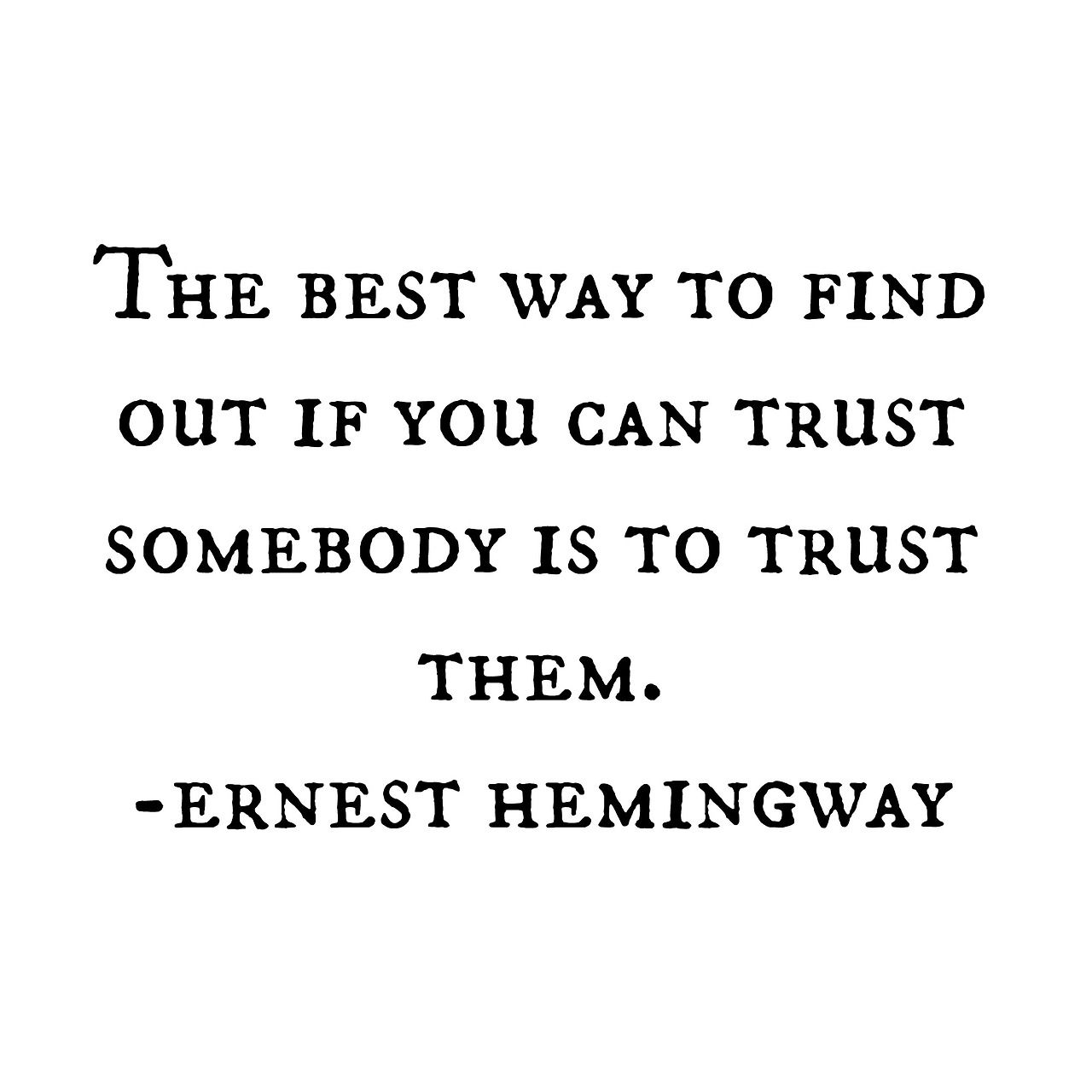
Well, I leaned into trust.
I reached out to a group of instructors and stakeholders, asked them what they believed the instructor cadre needed, and requested a brief narrative explaining their topics so I could include them in the agenda. And that’s where I stopped. I haven’t seen the slides. I haven’t reviewed the talking points. I haven’t asked for run-throughs or outlines or oversight.
I handed over the reins and let them run with it.
Why? Because I have absolute confidence in their capacity to deliver. These are the people doing the work. They know the gaps, the trends, the friction points, and the opportunities far better than I do. More importantly, they care about the success of this program as much as anyone in the organization.
But this approach raises a larger, more important leadership question:
How much do you trust your people? And what are you willing to trust them with?
Throughout my career, I’ve always believed people come first. Without people, all you have are ideas – no execution, no progress, just talking points drifting in the wind. It’s people who transform standards into capability. It’s people who turn doctrine into action. It’s people who make a program come alive.
Trusting people doesn’t mean stepping back – it means stepping aside for them to lead.
As we head into this workshop, I’m energized. Not because I know exactly what will be presented, but because I don’t. Because I’ve entrusted our instructors – the heartbeat of this program – with shaping the direction of their own development.
And I believe they’ll exceed every expectation.
Leadership isn’t about having all the answers. It’s about creating the space for others to have an opportunity to help provide them. It’s about recognizing that the most powerful force behind any national standard, any program, any mission, is not the policy. Not the paperwork. Not the director behind the desk.
It’s the people doing the work.
And when you trust them fully, they will take you further than you could ever take them alone.
Leave a Reply